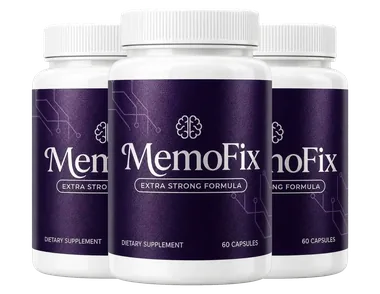
Guide
How to Choose a Nootropic Supplement: A Six-Point Checklist, With Memofix Scored
Judge any memory or focus supplement on six checks: a full panel with amounts, doses near research, standardized extracts, evidence for the claimed use, medicine interactions and legal claims. The FDA does not approve supplements (FDA, Supplement Q&A), so the checks fall to you. Memofix passes the panel check, comes close on doses, and is weaker on extracts and evidence.
Why check
Why does a nootropic supplement need a checklist?
A nootropic supplement reaches the shelf without FDA review of whether it works. The FDA does not have the authority to approve supplements before they are sold (FDA, Supplement Q&A).
The Federal Trade Commission expects health claims to rest on competent and reliable science, usually human trials (FTC, Health claims). In 2024 a federal court ordered the makers of one memory supplement to stop deceptive memory claims (FTC, Prevagen ruling). Marketing alone is not proof.
So the work of checking falls to the buyer. The six checks below take about ten minutes with a label in hand. They work for Memofix and for any rival bottle.
The checklist
What are the six checks for any memory or focus supplement?
Work through the checks in order. The first two need only the label, and the rest need a few minutes of reading.
Full panel with amounts
Every ingredient should show milligrams. A "proprietary blend" hides how much of each one you get.
Doses versus research
Compare each amount with the dose used in human trials. A sprinkle of a studied herb is not the studied dose.
Extract standardization
Look for a percentage of the active compound, such as salidroside or bacosides.
Evidence for the claimed use
Ask whether each ingredient was tested for memory or focus in people, or for something else.
Interactions
Check each ingredient against the medicines you take. A pharmacist can do it in minutes.
Claims that follow the rules
Disease claims, approval badges and fake-looking reviews are red flags.
Checks 1 and 2
Does the Memofix label show amounts, and how close are they to research?
Yes, Memofix prints a full panel, so it passes check 1. On check 2 the herbs sit near research doses, while the largest ingredient falls far short.
-
67%
Bacopa
Label 200 mg · studied 300-450 mg a day for 12 weeks in memory trials (Pase et al., 2012)
Close to the studied range -
100%
Rhodiola
Label 100 mg · studied 100 to 680 mg a day in fatigue and performance trials (Ishaque et al., 2012)
Matches the lowest studied dose -
50%
L-theanine
Label 100 mg · studied 200-400 mg a day in stress studies (Williams et al., 2020)
About half the studied dose -
90%
Panax ginseng
Label 90 mg · studied 100 to over 1,000 mg a day, by preparation (LiverTox, Ginseng)
Close to the studied range -
5.4%
BCAAs
Label 540 mg · studied 10-14 g a day in muscle studies (ODS, Exercise supplements)
Far below the studied dose
Research doses come from studies of each ingredient alone, mostly on attention, fatigue, stress or muscle, not on Memofix. A full dial means the label reaches the low end of the studied range, not that it works.
Rhodiola matches the lowest studied dose. Ginseng and bacopa come close. L-theanine is half. The BCAAs are about 5% of the amounts used in muscle studies.
Dose detail
How do the Memofix doses compare with the studies, ingredient by ingredient?
The table puts each label amount beside the research range. Each figure links to its source.
| Ingredient | Per 2 capsules | Amount used in research |
|---|---|---|
| Branched Chain Amino Acids 2:1:1 (L-Leucine, L-Isoleucine, L-Valine) | 540 mg | 10-14 g a day in muscle studies (ODS, Exercise supplements) |
| Bacopa Monnieri Extract | 200 mg | 300-450 mg a day for 12 weeks in memory trials; typical 300-600 mg (Pase et al., 2012) |
| Rhodiola Rosea Extract (3% Salidroside) | 100 mg | 100-576 mg a day in mental-fatigue trials (Ishaque et al., 2012) |
| L-Theanine | 100 mg | 200 mg a day (4-week trial); 200-400 mg in stress studies (Williams et al., 2020) |
| Panax Ginseng Extract | 90 mg | 100 to over 1,000 mg a day, by preparation (LiverTox, Ginseng) |
Bacopa is the herb with the most memory research, and Memofix gives 200 mg against 300-450 mg in the trials (Pase et al., 2012). That is about two thirds of the low end. The full label is typed out on the Memofix Supplement Facts page.
Check 3
Are the Memofix extracts standardized?
One of the three herbs is standardized on the label. Rhodiola lists 3% salidroside. Bacopa and ginseng do not state a bacoside or ginsenoside level.
Standardization matters because two extracts with the same weight can hold very different amounts of the active compound. The bacopa trials used standardized extracts (Kongkeaw et al., 2014). Without a stated level, you cannot tell how close Memofix comes to them.
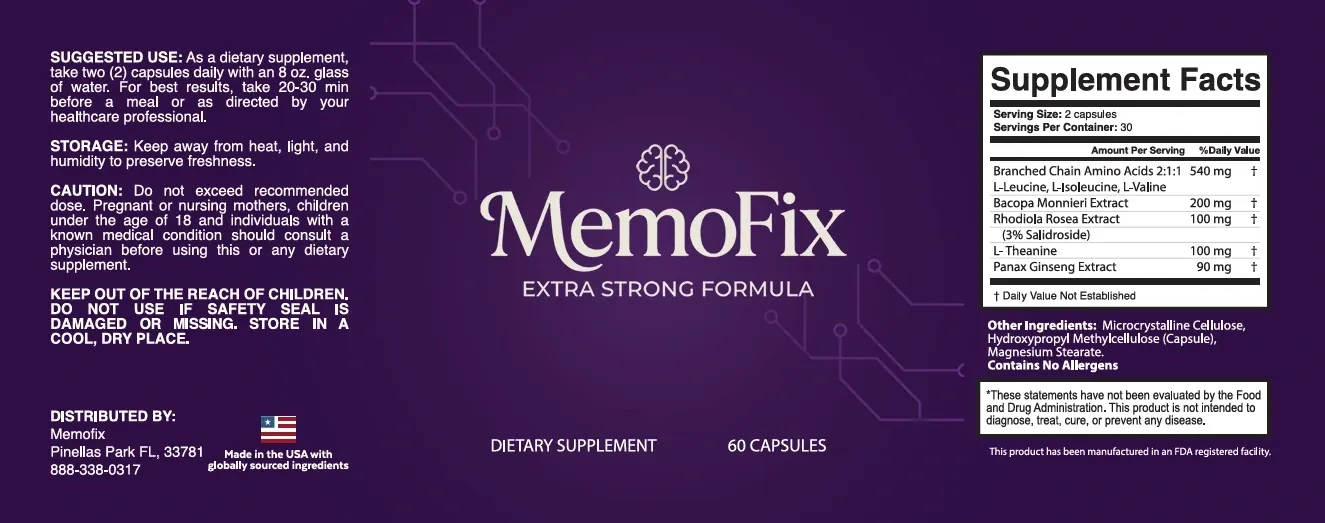
For any product, ask for the percentage of active compounds in each extract. A clear number is a good sign, and silence is worth noting.
Check 4
Is there evidence for what Memofix is sold for?
The evidence is mixed and none of it tests Memofix itself. Bacopa has the most memory data, while ginseng and BCAAs have little or none for thinking in healthy people.
| Ingredient | Studied for | Strength of evidence |
|---|---|---|
| Bacopa | Attention and free recall, 12 weeks (Kongkeaw et al., 2014) | Small gains; research still young |
| Rhodiola | Mental fatigue (Ishaque et al., 2012) | Weak; results contradict each other (NCCIH, Rhodiola) |
| L-theanine | Stress and some thinking tests (Hidese et al., 2019) | Small trials at 200 mg |
| Panax ginseng | Thinking in healthy people (Geng et al., 2010 (Cochrane)) | No convincing effect found |
| BCAAs | Muscle and exercise (ODS, Exercise supplements) | No memory research |
| Memofix as a whole | Nothing published | Not published |
The sales page says "Improved memory and better concentration." That is the seller's claim, not a finding from a Memofix trial.
Check 5
Could Memofix interact with your medicines?
It could, mainly through ginseng and rhodiola. Checking takes one call to your pharmacist.
Memofix is a dietary supplement, not a drug. Ginseng may lower blood sugar and has mixed reports with warfarin; rhodiola was reported to interact with losartan. Ask your doctor or pharmacist first if you take blood thinners, diabetes, blood pressure or mood medicines. See side effects and interactions.
Ginseng has mixed reports with warfarin and possible links with some statins and antidepressants (NCCIH, Herb-drug interactions). Run the same check for any nootropic, since many contain ginseng or similar herbs.
Check 6
Do the Memofix claims follow FDA and FTC rules?
Mostly, with one badge to read carefully. The label makes no disease claim, and the sales page stays with support wording.
- No claim to treat or stop any disease on the label.
- The standard FDA statement applies to the product.
- The "Extra Strong Formula" line is a name, not a measured strength.
- "Made in an FDA registered facility" is true to the label, but registration is not approval (FDA, Approval myths).
- Badges such as "Physician formulated" name no physician or certifier.
The testing and quality page explains each badge and what proof exists behind it.
Scorecard
How does Memofix score on the nootropic checklist?
Memofix scores well on openness and fairly on doses. It scores low on evidence for the product itself.
| Check | Result | Why |
|---|---|---|
| 1. Full panel | Pass | All five amounts printed; 1,030 mg per serving |
| 2. Doses | Partial | Herbs at 50-100% of low research doses; BCAAs about 5% |
| 3. Standardization | Partial | Rhodiola standardized; bacopa and ginseng not stated |
| 4. Evidence | Weak | No product trial; ingredient data mixed |
| 5. Interactions | Caution | Ginseng and rhodiola need a medicine check |
| 6. Claims | Mostly pass | No disease claims; badges lack named certifiers |
Real strengths
- Full, open panel.
- Studied herbs close to research doses.
- Standardized rhodiola.
- No allergens listed.
- A phone desk that can see orders, plus a 60-day refund window.
Weak spots
- No trial of Memofix itself.
- BCAAs are the biggest ingredient at a tiny dose.
- Two extracts lack a strength figure.
- Bacopa trials ran 12 weeks, past the refund window.
Sources
Which sources back the nootropic checklist?
Rules come from the FDA and FTC. Other studies are linked where they appear in the text.
- The cognitive-enhancing effects of Bacopa monnieri: a systematic review of randomized, controlled human clinical trials. Pase MP, et al. Journal of Alternative and Complementary Medicine, 2012.6 trials, all 12 weeks, 300-450 mg of extract a day: better on 9 of 17 free-recall tests; research is in its infancy.
- Dietary Supplements for Exercise and Athletic Performance: Fact Sheet for Health Professionals. NIH Office of Dietary Supplements, 2026.BCAAs are about 25% of the amino acids in complete protein; studies used 10-14 g a day, up to 20 g looks safe; performance benefits are inconsistent.
- Questions and Answers on Dietary Supplements. U.S. Food and Drug Administration, 2026.FDA does not have the authority to approve dietary supplements before they are marketed; makers must have evidence for their claims.
- Health Products Compliance Guidance. Federal Trade Commission, 2022.Health claims need competent and reliable scientific evidence, generally randomized controlled human trials.
- Statement on FTC's Win in Lawsuit Against the Makers of Dietary Supplement Prevagen. Federal Trade Commission, 2024.A federal court ordered a memory supplement maker to stop deceptive memory claims; health claims need reliable scientific evidence.
FAQ
Choosing a nootropic supplement FAQ
What is a nootropic supplement?
A product sold to support memory, focus or mental energy. In the U.S. it is a dietary supplement, not a drug, so it is not approved before sale.
Is a proprietary blend a bad sign?
It makes checking harder, because amounts are hidden. Memofix avoids this and prints every amount.
Which Memofix ingredient is closest to its research dose?
Rhodiola. Its 100 mg equals the lowest dose used in one mental-fatigue trial, though the evidence for rhodiola is weak.
Why do the BCAAs score so low?
Memofix lists 540 mg, about 5% of the 10-14 g used in muscle studies, and BCAAs have no memory research.
Does a registered facility mean the product is approved?
No. Registration tells the FDA where a facility is. It is not a review of the product.
Should I use the checklist on other brands too?
Yes. The six checks work for any memory or focus product, and comparing scores side by side is the fairest test.
Keep reading
More about Memofix
Supplement Facts
The whole Memofix label typed out, with notes on the extract strengths it does not print.
Read more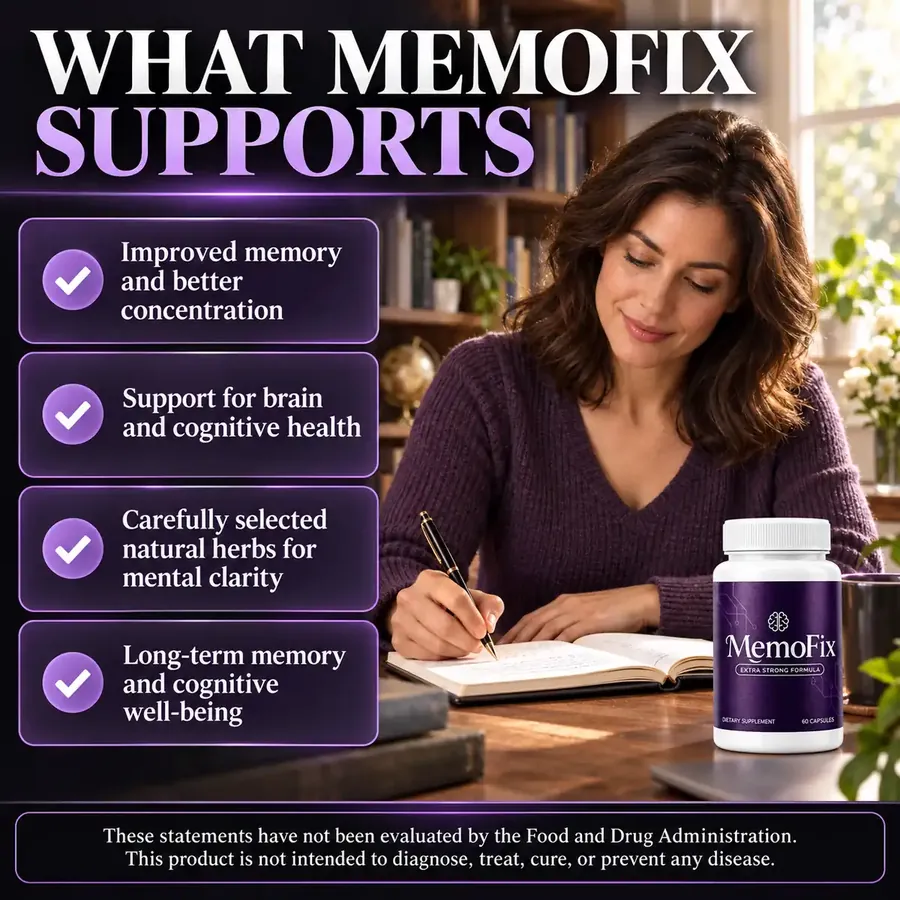
Brain health guide
Normal forgetting versus warning signs, the habits with real evidence, and why Memofix is at most an extra.
Read moreTesting & quality
Registered facility, ten badges, a lot and a CoA code: what each one proves about Memofix and what it does not.
Read moreUSA Authorized Memofix Retailer
Ready to try Memofix with the 60-day guarantee?
Order through the authorized retailer's page so your order ID is on file with the refund desk. Two capsules a day; the 2-bottle pack covers the whole 60-day window.
Questions before you buy? Call +1 (302) 200-3480. 60-day money-back guarantee, return shipping paid by the buyer.