Blog
Ginseng and Your Medicines: What the Research Shows and What to Ask
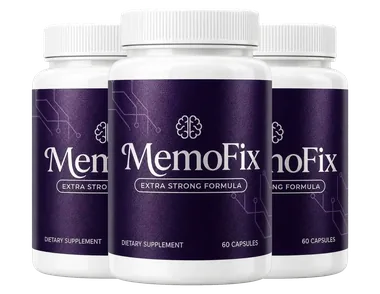
Asian ginseng may help thinking in middle-aged adults, but a Cochrane review found no convincing effect in healthy people (NCCIH, Asian ginseng) (Geng et al., 2010 (Cochrane)). Doses run from 100 to over 1,000 mg a day (LiverTox, Ginseng). It may lower blood sugar and has reported links with warfarin, some blood pressure drugs, statins and antidepressants (NCCIH, Herb-drug interactions). Memofix lists 90 mg. Show the label to your pharmacist first.
The basics
What is Asian ginseng?
Asian ginseng is the root of Panax ginseng, a slow-growing plant from Korea and northeast China. It has been used in East Asian medicine for centuries.
Supplements use dried root or a root extract. The compounds most studied in it are called ginsenosides. Products differ a lot in how much of these they contain.
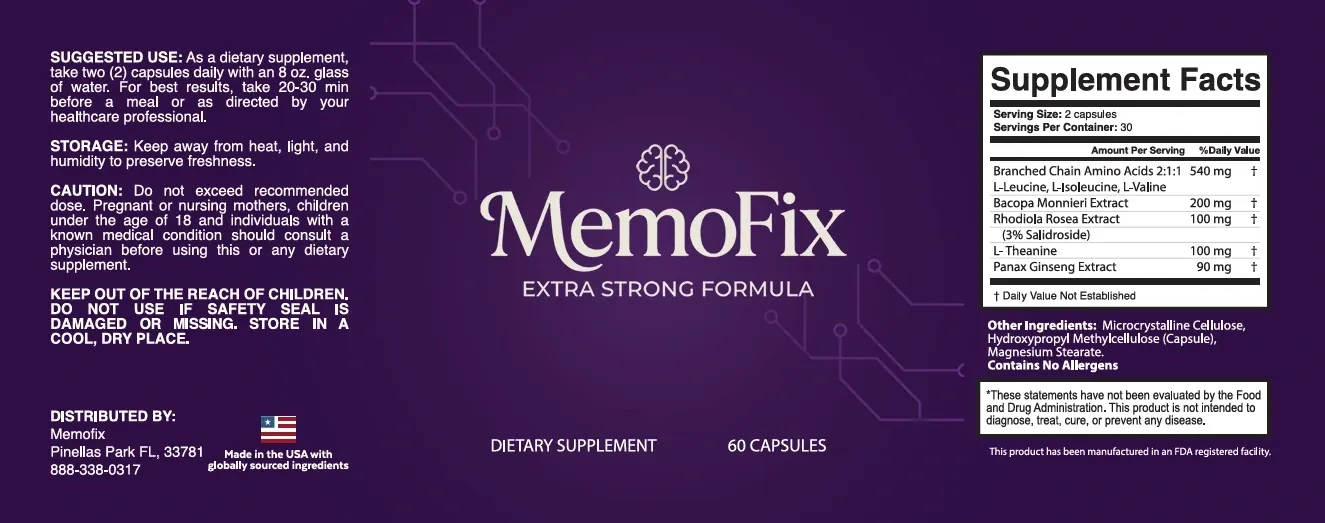
Several plants share the name "ginseng." American ginseng is a close cousin from the same Panax family. Siberian ginseng is a different plant altogether. The research below is about Asian ginseng, the kind listed on the Memofix label as "Panax Ginseng Extract," 90 mg per 2 capsules.
The label does not state the ginsenoside level of that extract. Keep that gap in mind when you compare it with studies.
The research
Does Asian ginseng help memory and thinking?
The honest answer is: not clearly. Some findings point to small gains in middle-aged adults, but the best review found no convincing effect in healthy people (NCCIH, Asian ginseng) (Geng et al., 2010 (Cochrane)).
Maybe for middle age
Asian ginseng may help thinking in middle-aged adults, but not in young adults. Where memory improved, the gains seemed to depend on ginkgo added to the ginseng (NCCIH, Asian ginseng).
No convincing effect
A review of 9 trials found no convincing evidence that Panax ginseng improves thinking in healthy people. It found no high-quality evidence in dementia either (Geng et al., 2010 (Cochrane)).
Cochrane reviews follow strict rules for judging trial quality, so this result carries weight. The NCCIH summary is also cautious. Neither source supports big promises for ginseng alone.
That matters for Memofix. The sales page speaks of "Support for brain and cognitive health." Ginseng is the ingredient in the formula with the least support for that kind of claim.
Doses
How much ginseng do people take, and where does 90 mg fit?
Daily doses vary widely, from 100 mg to more than 1,000 mg, depending on the preparation (LiverTox, Ginseng). At 90 mg, Memofix sits just under the low end of that range.
Why such a wide range? A gram of plain dried root is not the same as a gram of concentrated extract. A strong extract can match a much larger amount of root. Without a stated ginsenoside level, 90 mg cannot be matched to any one study.
- Usual range: 100 to over 1,000 mg a day (LiverTox, Ginseng)
- Memofix: 90 mg per 2 capsules, about 90% of the low end
- Extract strength on the Memofix label: not stated
- Label directions: 2 capsules daily, 20-30 minutes before a meal
A small dose does not rule out interactions. Reported problems in the research are not tied to a set amount, so the same questions apply at 90 mg. You can compare every ingredient with its studied dose on the Supplement Facts page.
Interactions
Which medicines can interact with ginseng?
Reported interactions involve blood thinners, diabetes medicines, some blood pressure drugs, statins and antidepressants (NCCIH, Herb-drug interactions). Rhodiola, also in Memofix, has one more report with losartan (NCCIH, Rhodiola).
"Reported" is the key word. Some of these come from single cases or mixed studies. None of them has been tested with Memofix. They are still good reasons to ask before you start.
| Medicine type | Herb | What has been reported | Question for your pharmacist |
|---|---|---|---|
| Warfarin (blood thinner) | Asian ginseng | A case of reduced warfarin effect (LiverTox, Ginseng); studies are mixed (NCCIH, Herb-drug interactions) | Could this change my clotting results? |
| Diabetes medicines | Asian ginseng | Ginseng may lower blood sugar (NCCIH, Asian ginseng) | Could this add to my blood sugar medicine? |
| Some blood pressure drugs | Asian ginseng | Possible interaction (NCCIH, Herb-drug interactions) | Does my blood pressure medicine fall in this group? |
| Losartan (blood pressure) | Rhodiola | An interaction was reported (NCCIH, Rhodiola) | Is rhodiola a concern with my losartan? |
| Statins (cholesterol) | Asian ginseng | Possible interaction (NCCIH, Herb-drug interactions) | Is my statin one that could be affected? |
| Antidepressants | Asian ginseng | Possible interaction (NCCIH, Herb-drug interactions) | Is it safe with my mood medicine? |
This table lists reports, not verdicts. Only someone who knows your full medicine list can say what applies to you.
Who should check
Who should check with a doctor or pharmacist before taking Memofix?
Anyone who takes a daily medicine should check first. The label itself asks people with a known medical condition to consult a physician.
Memofix is a dietary supplement, not a drug. Ginseng may lower blood sugar and has mixed reports with warfarin; rhodiola was reported to interact with losartan. Ask your doctor or pharmacist first if you take blood thinners, diabetes, blood pressure or mood medicines. See side effects and interactions.
A few groups need extra care beyond the medicine list:
- People who are pregnant or nursing, since Asian ginseng may be unsafe in pregnancy (NCCIH, Asian ginseng)
- Anyone under 18, whom the label excludes
- People who already take other herbal products
Bring the same list to any new doctor. Supplements are easy to forget in a busy appointment.
Checklist
How do you talk to a pharmacist about ginseng and your medicines?
A pharmacist can check your list in a few minutes, often with no appointment. These seven steps make the talk quick and useful.
List everything you take
Write down each prescription, over-the-counter medicine, vitamin and supplement, with the dose and time of day.
Bring the label
Bring the Memofix bottle or a clear photo of the Supplement Facts panel. The pharmacist can then see all five ingredients and amounts.
Point to the two herbs of concern
Mention the 90 mg of Panax ginseng and the 100 mg of rhodiola. These are the two with reported drug interactions.
Ask about each medicine by name
Ask about any blood thinner such as warfarin, diabetes medicine, blood pressure medicine such as losartan, statin or antidepressant you take.
Ask what to watch for
Ask which signs would mean a problem, such as unusual bruising or shaky, sweaty spells, and whom to call if they happen.
Ask about extra checks
Ask whether any tests, such as blood sugar readings or blood clotting checks, would make sense if you add a supplement.
Share the answer with your doctor
Keep a short written note of what the pharmacist said. Pass it to the doctor who prescribes your medicines, and leave any medicine changes to them.
Please do not start, stop or change any prescribed medicine on your own because of a supplement. That decision belongs to you and your prescriber together.
By the numbers
Ginseng in five numbers
Side effects
What side effects can ginseng cause?
Trouble sleeping is the most common one (NCCIH, Asian ginseng). LiverTox also lists nausea, diarrhea and headache (LiverTox, Ginseng).
Rhodiola in the same capsule can also cause trouble sleeping (NCCIH, Rhodiola). If you notice poor sleep, either herb could play a part. Tell your doctor or pharmacist when you talk to them.
Most of these effects are mild. Still, they are worth writing down with the date you started, so you can report them clearly. The side effects page lists what is known for all five Memofix ingredients.
Weighing it up
What does 90 mg of ginseng in Memofix mean for you?
It means a small, stated amount of an herb with weak evidence for thinking and real interaction reports. It is a reason to ask questions, not a reason for alarm.
What is clear
- The ginseng amount is printed: 90 mg
- It sits near the low end of usual doses
- Side effects are mostly mild
- The full label is easy to show a pharmacist
What is not
- Ginsenoside level is not stated
- No convincing effect on thinking in healthy people
- Reported links with several common medicines
- No trial has tested Memofix itself
If your pharmacist and doctor are comfortable, the rest is your choice. Our disclaimer explains what this site can and cannot tell you, and the ingredients page covers the other four ingredients.
FAQ
Ginseng and medicines FAQ
Can I take ginseng with warfarin?
Ask your pharmacist or doctor first. One case showed reduced warfarin effect, and studies are mixed (LiverTox, Ginseng) (NCCIH, Herb-drug interactions).
Does ginseng lower blood sugar?
It may, according to NCCIH (NCCIH, Asian ginseng). That is why people on diabetes medicines should ask before using a product that contains it.
How much ginseng is in Memofix?
The label lists 90 mg of Panax ginseng extract per 2 capsules. The ginsenoside level is not stated.
Does ginseng improve memory?
A Cochrane review of 9 trials found no convincing effect on thinking in healthy people (Geng et al., 2010 (Cochrane)). NCCIH notes possible gains in middle-aged adults only (NCCIH, Asian ginseng).
Is Asian ginseng the same as American ginseng?
No. They are related plants from the same Panax family, but they are different species. The studies cited above are about Asian ginseng.
Which Memofix herb interacts with losartan?
Rhodiola, not ginseng. NCCIH notes a reported interaction between rhodiola and losartan (NCCIH, Rhodiola).
Keep reading
More about Memofix
Side effects
Side effects reported for each Memofix ingredient, the medicine interactions to check, and the label cautions in full.
Read more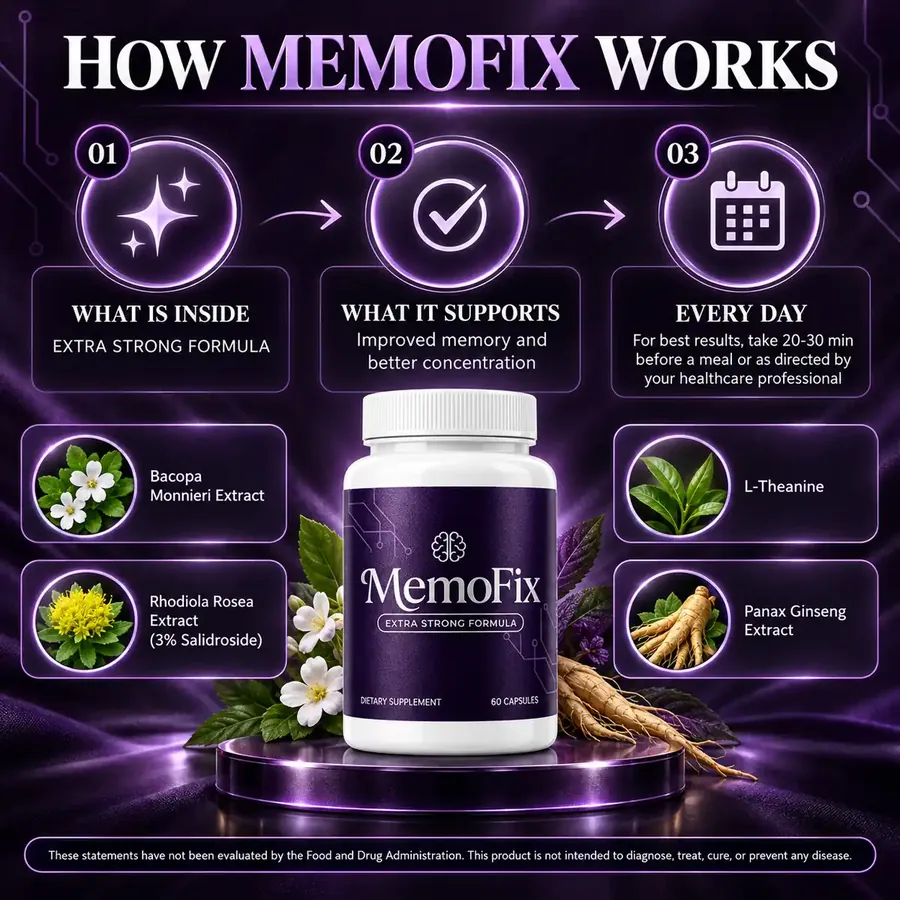
Rhodiola and L-theanine for stress
What trials found for rhodiola and L-theanine, how safe they are, and how 100 mg of each compares.
Read moreDisclaimer
The FDA statement, the retailer disclosure, why no reviews appear, and the full precautions list.
Read moreUSA Authorized Memofix Retailer
Ready to try Memofix with the 60-day guarantee?
Order through the authorized retailer's page so your order ID is on file with the refund desk. Two capsules a day; the 2-bottle pack covers the whole 60-day window.
Questions before you buy? Call +1 (302) 200-3480. 60-day money-back guarantee, return shipping paid by the buyer.